As the summer months progress, local families naturally begin shifting their focus toward the upcoming school year. While purchasing school supplies and locking down schedules are part of the routine, there is an equally important layer of preparation that often goes unaddressed: equipping children with the social and physical boundaries they need to navigate the playground, the classroom, and everything in between.
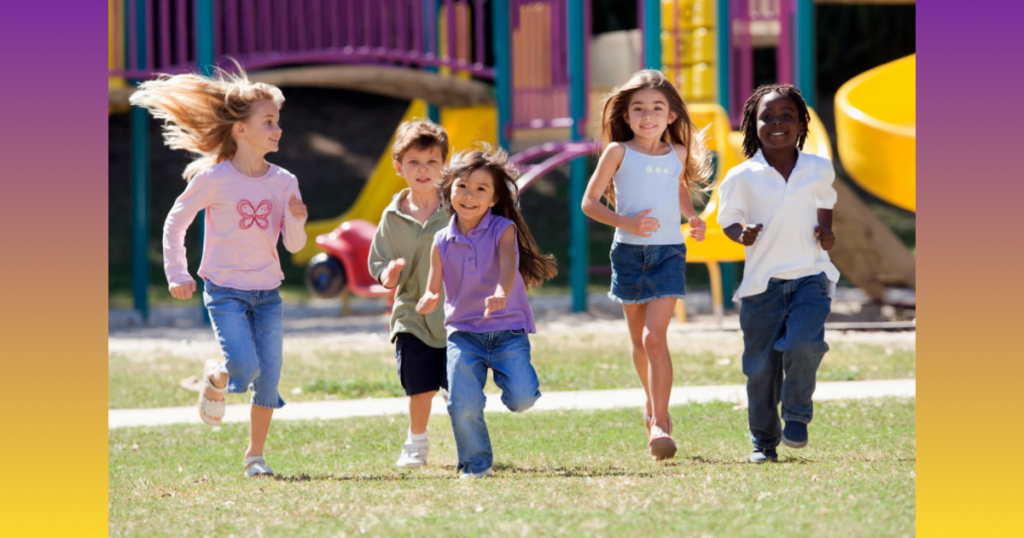
Look at any local schoolyard, and you’ll see children running, laughing, and testing their physical limits. While we want our kids to enjoy that carefree, joyful freedom, we must also recognize that navigating these high-energy social spaces requires a quiet, underlying confidence.
True self-defense for children rarely starts with a physical block or strike. Instead, it begins with vocal confidence, assertive body language, and a clear understanding of personal space. When children know how to command their own boundaries, they are significantly less likely to experience bullying or negative peer pressure.
Through our structured youth martial arts programs, we teach kids how to find their voice and carry themselves with quiet confidence. Here are three foundational boundary-setting habits we develop on the mat to prepare students for the world beyond the playground:
1. Verbal Self-Defense: Breaking the Freeze Response
When caught off guard by an aggressive peer or an uncomfortable situation, many children naturally freeze or speak in a quiet, hesitant whisper. We teach students that their voice is their very first line of defense.
2. Projecting Confident Body Language
Predators and bullies look for specific physical cues: slumped shoulders, downcast eyes, and fidgeting hands. Martial arts structures the way a child carries themselves physically in the world.
3. Learning the Arm's-Length Rule
Children need to understand the physical geometry of safety. Knowing how close is “too close” allows them to proactively manage their space before a conflict becomes physical.
The Boundary Principle: Real protection starts with self-respect. When children recognize their own value, they gain the courage to clearly communicate their personal boundaries to others.
Equip Your Child with Lifelong Social Confidence
You don’t have to wait until school starts to begin building these crucial life skills. Our specialized kids and teens martial arts classes offer a focused, encouraging atmosphere where children can safely practice setting boundaries and earning milestones.
Give your child the gift of physical safety, vocal authority, and resilience this summer.
Focused Intent: Heavily centered on anti-bullying tactics, vocal boundaries, and situational awareness.
Age-Specific: Structured age-specific divisions for elementary students and teens.
Dojo Culture: A high-energy, encouraging environment that builds genuine personal resilience.


Leave A Comment